EXHIBITION ARCHIVE

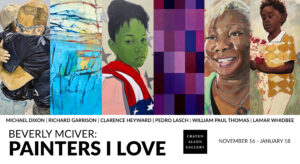
A digital collage of six artistic portraits of Black individuals, featuring styles like abstract, realism, and expressive art, with a purple pixelated pattern in the center.
Portrait paintings displayed on a brick wall in an art gallery.

Beverly McIver: Painters I Love
November 16, 2024 - January 18, 2025

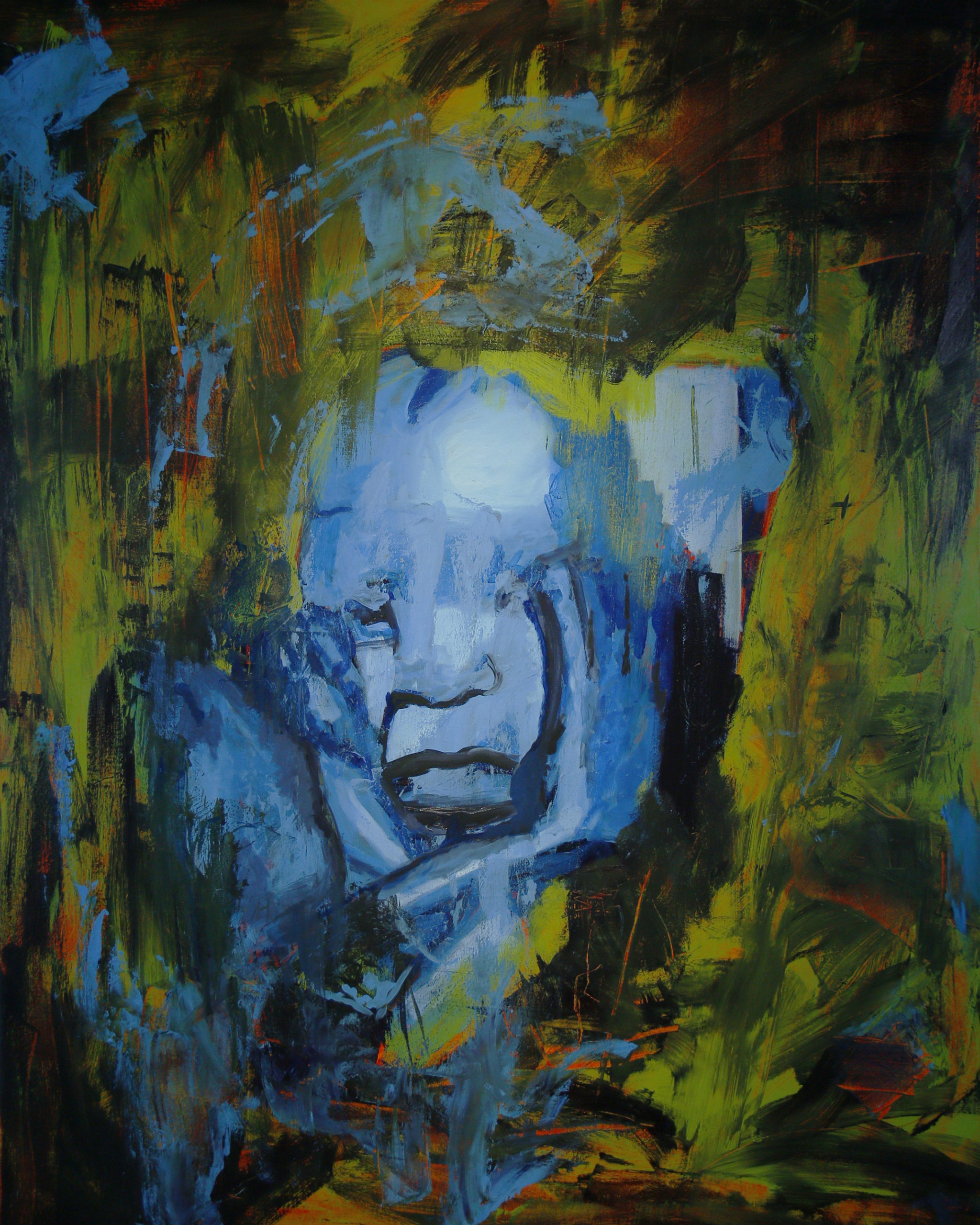
Painters I Love features works by Michael Dixon, Richard Garrison, Clarence Heyward, Pedro Lasch, William Paul Thomas and Lamar Whidbee. For this show, McIver selected artists that she believes are modern masters in the art of painting. “Michael, Richard, Clarence, Pedro, William and Lamar are members of my art family” she says, “they are very talented creatives, and we have all been longtime supporters of each other.”

The exhibiting artists paint in a variety of styles, from figurative to non-representational. The common thread in their work, McIver explains, is that “they are not afraid to be vulnerable when creating, they enjoy expressing a bit of humanity through paint. We all understand that our craft is our first love, and we will support each other unconditionally.”

As the guest curator, Beverly McIver says that her goal with this exhibition is to “invite viewers on a journey to explore relationships between friends and fellow artists, creating a harmonious voice about humanity and vulnerability.”

STATEMENT

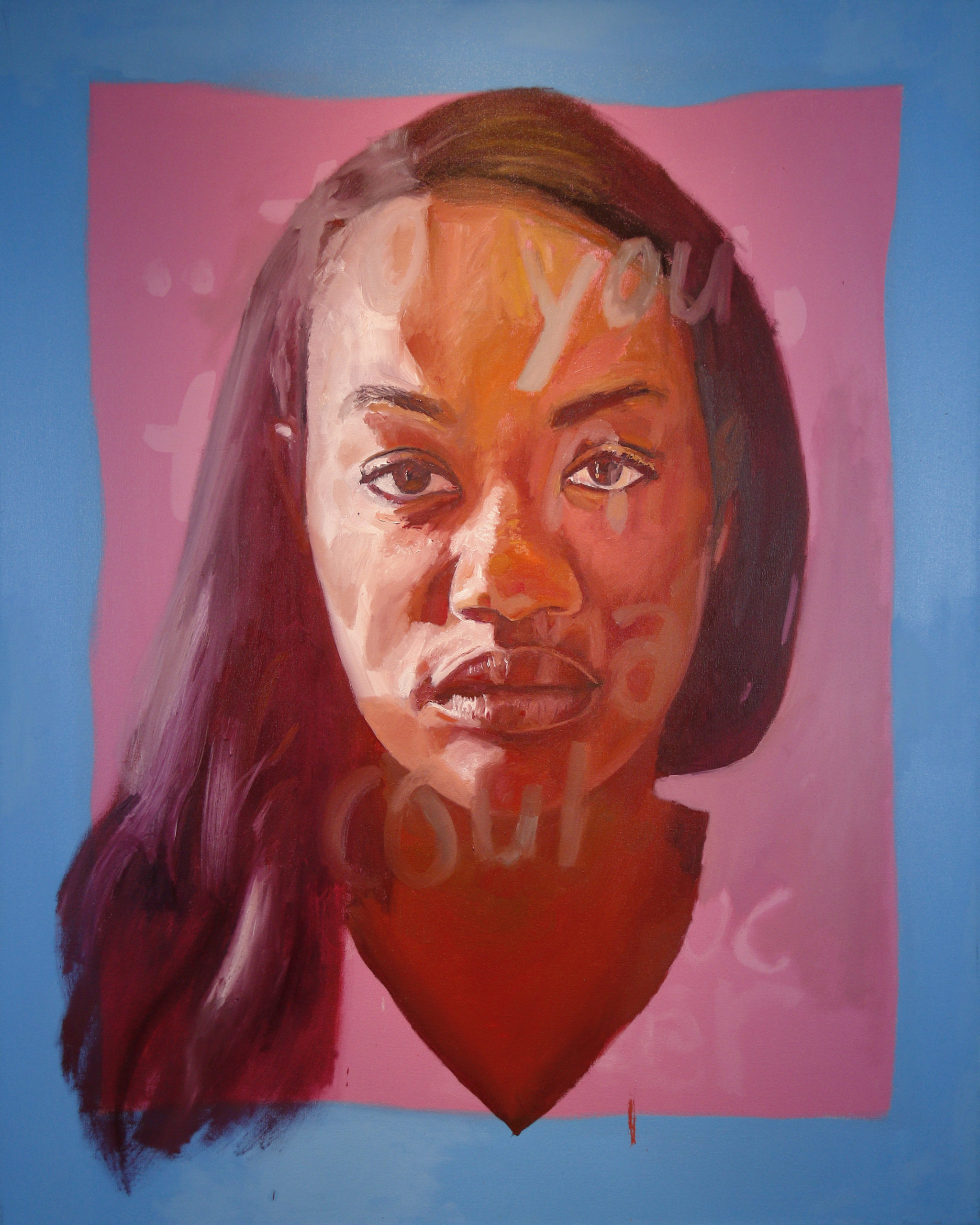
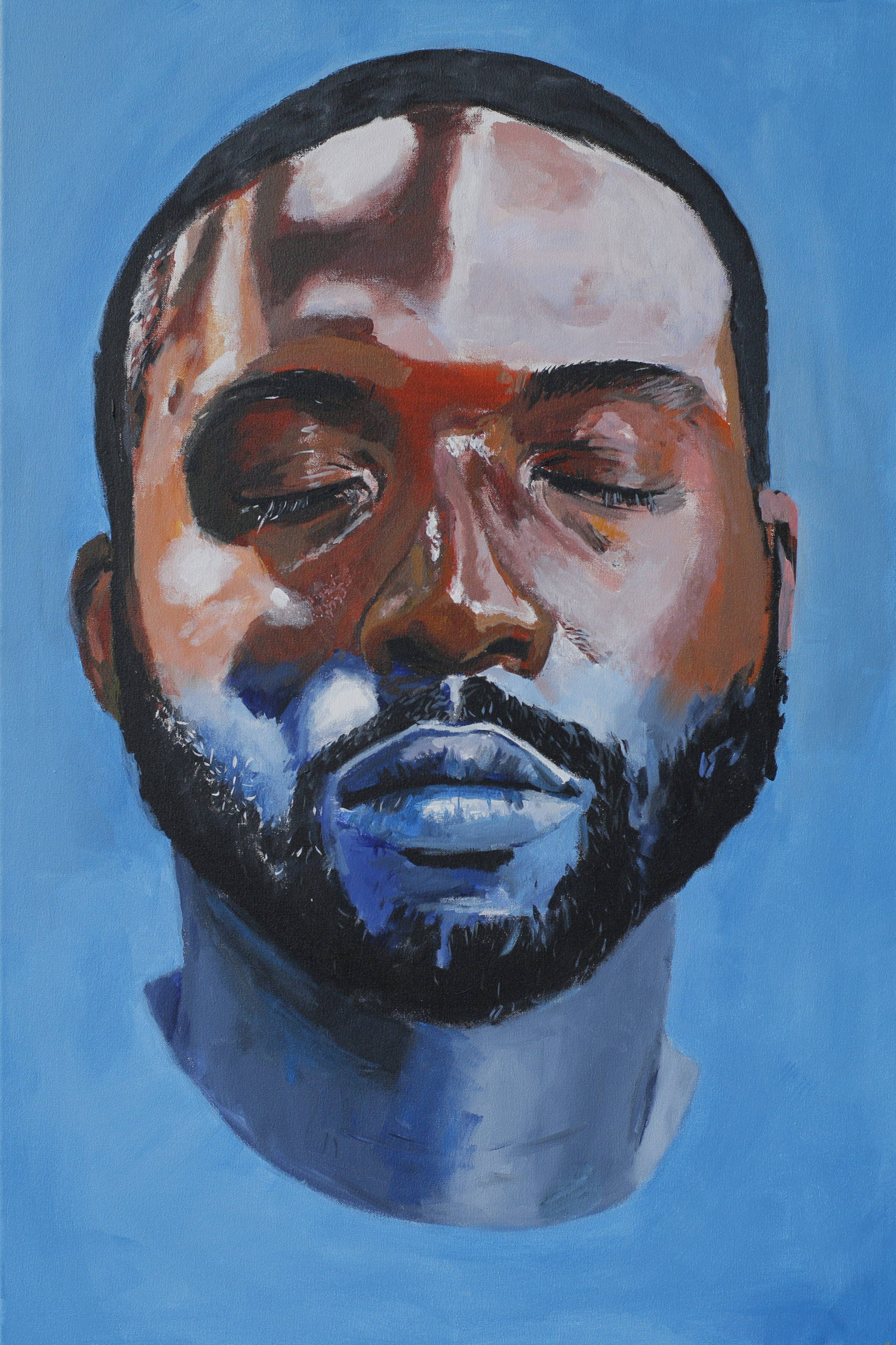
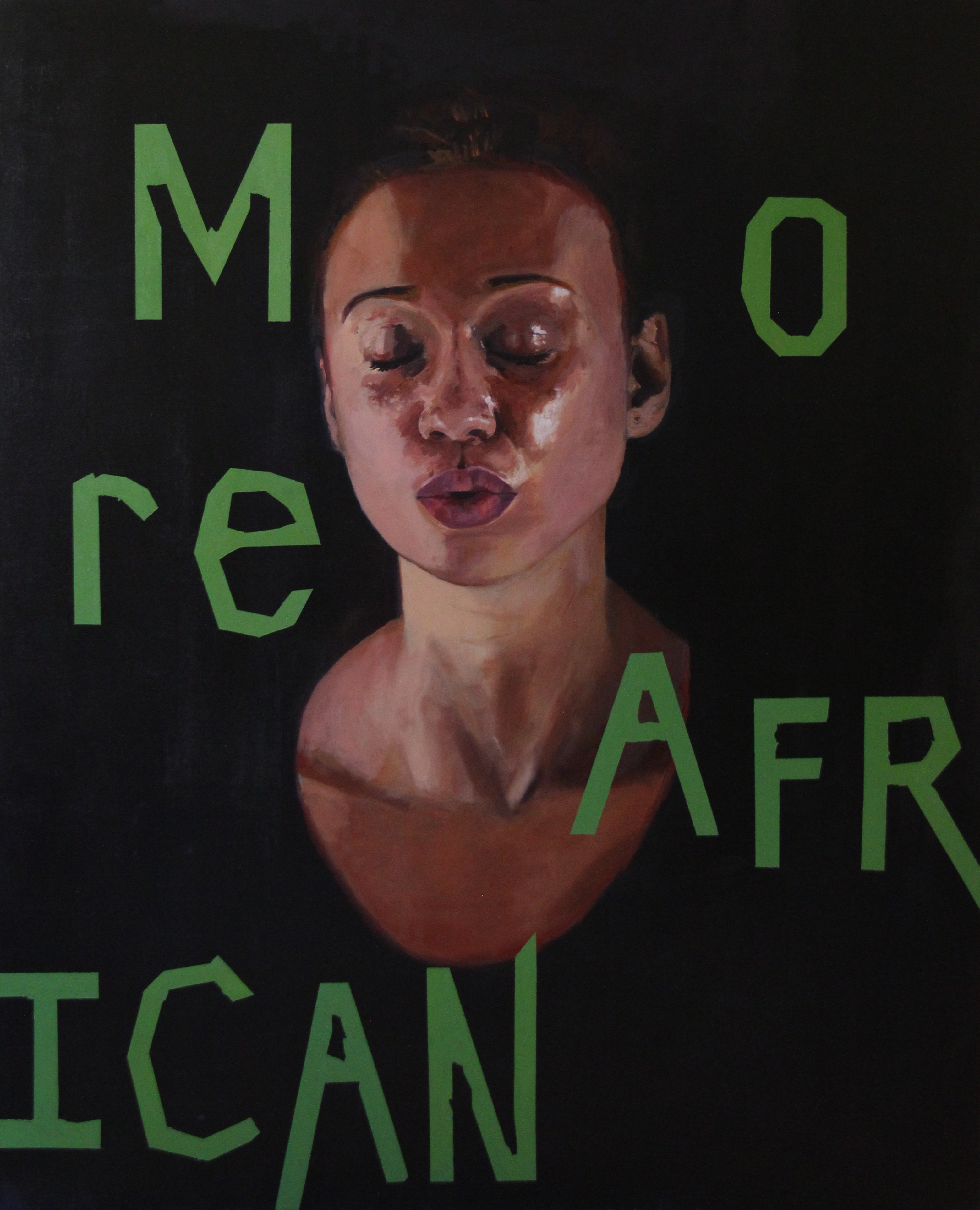
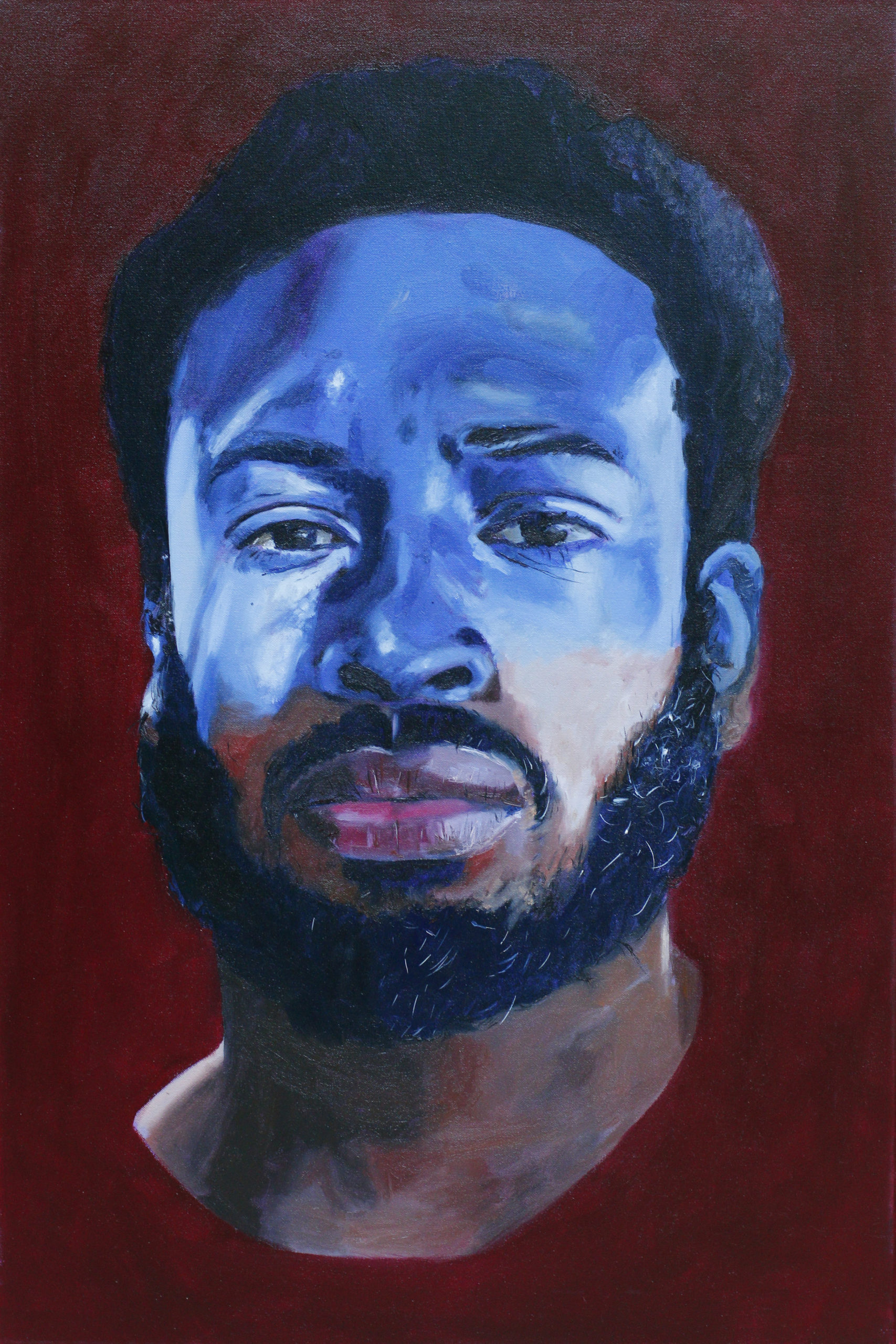
I paint representations of disembodied heads of people in my social circle and sometimes scrawl text directly over their likenesses. That text is often tinged with dry humor, at times it is politically incorrect, and is regularly derived from the spoken vernacular of the communities I have lived in. My overarching goal is to share with diverse audiences what I see as worthwhile subject matter. That might include religious symbolism or popular slang. I make pictures to document select parts of my life.

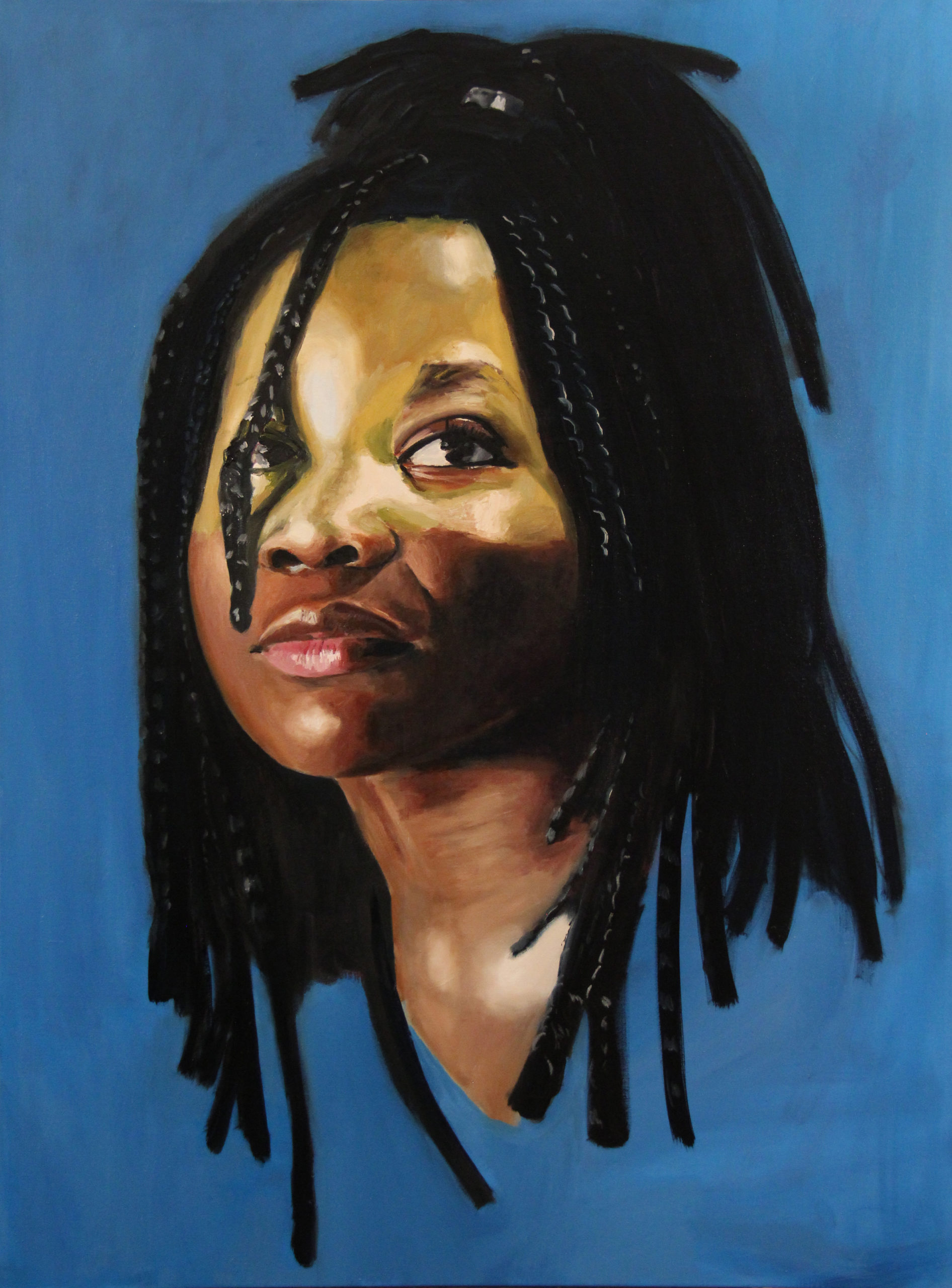
Many of us have immediate psychological connections to representations of the human face. We look for similarities between ourselves and those represented; note key differences between “us” and “them.” “He looks like so-and-so.” “She reminds me of whatshername.” Assumptions or questions about the subject’s state of mind usually follow. If the expression that the subject wears is ambiguous enough, we might begin to project our own emotions onto them to interpret the painting’s message.

I choose specific models as a way of recognizing their significance in my life’s path. I relish being able to honor everyday people through making images. We regularly celebrate women and men of prominence in mass media, so I take advantage of the opportunity to highlight the people that impact me on a more direct level than any untouchable celebrity or distant historical figure could. I integrate text and other symbols into the portrait work to narrow the subject matter to a certain degree and complicate the viewer’s understanding of the portrait subject’s identity. The work begins as an intimate acknowledgement of an individual and is subsequently transformed into a set of symbols poised for the viewer’s investigation

Promotional poster for an art exhibition titled 'Triple Threat' at Craven Allen Gallery, curated by Beverly McIver, running from September 9 to October 28. Features portraits of three artists: a man with a green face wearing a pink cap and blue jacket, a woman and a man with intense expressions, and a woman in sunglasses at the beach.
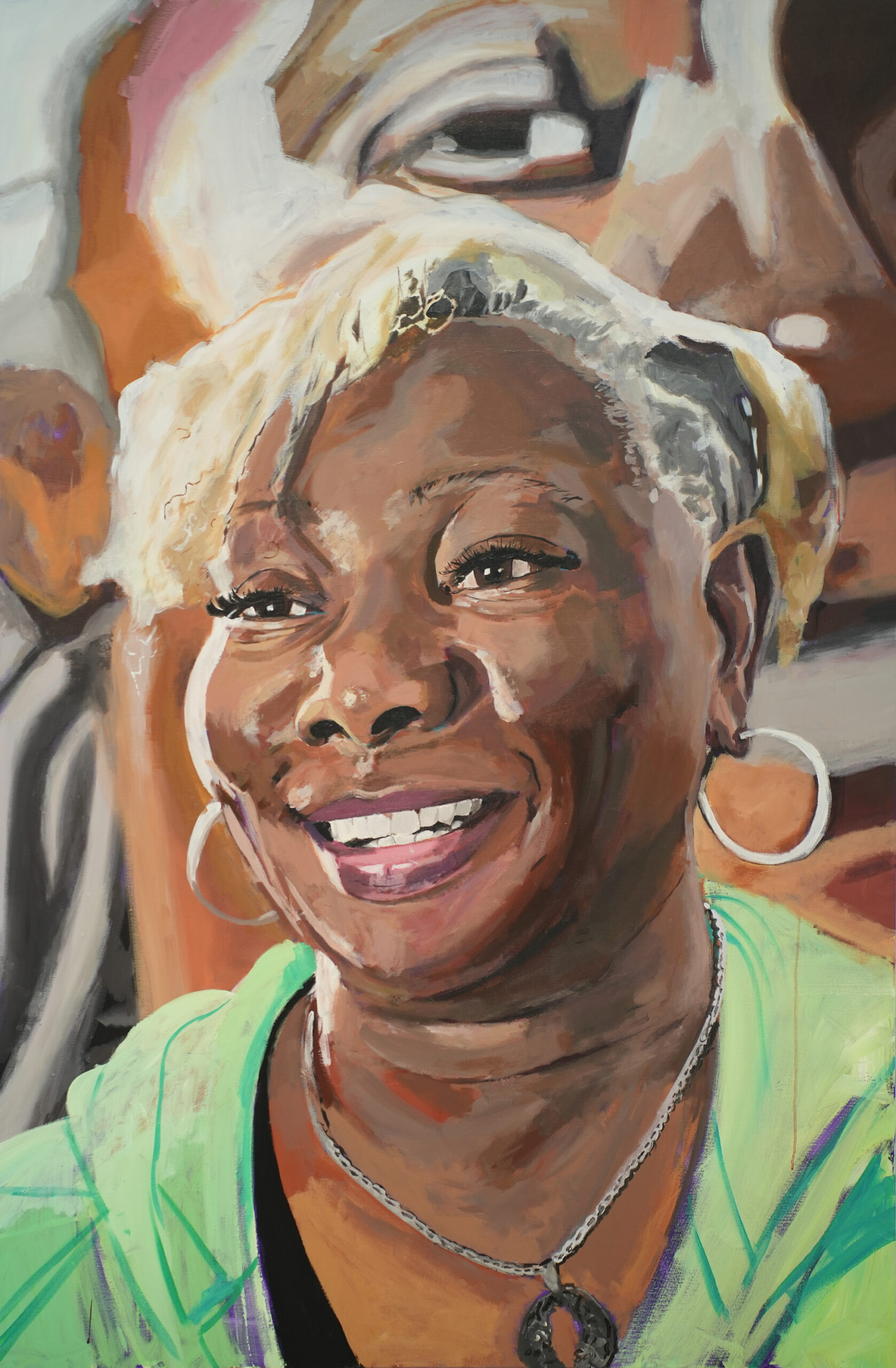
Gallery wall displaying five colorful portrait paintings of diverse women with different expressions. The background wall is dark gray and the artworks are mounted in different shapes and sizes.

Triple Threat
September 9 - October 28, 2023

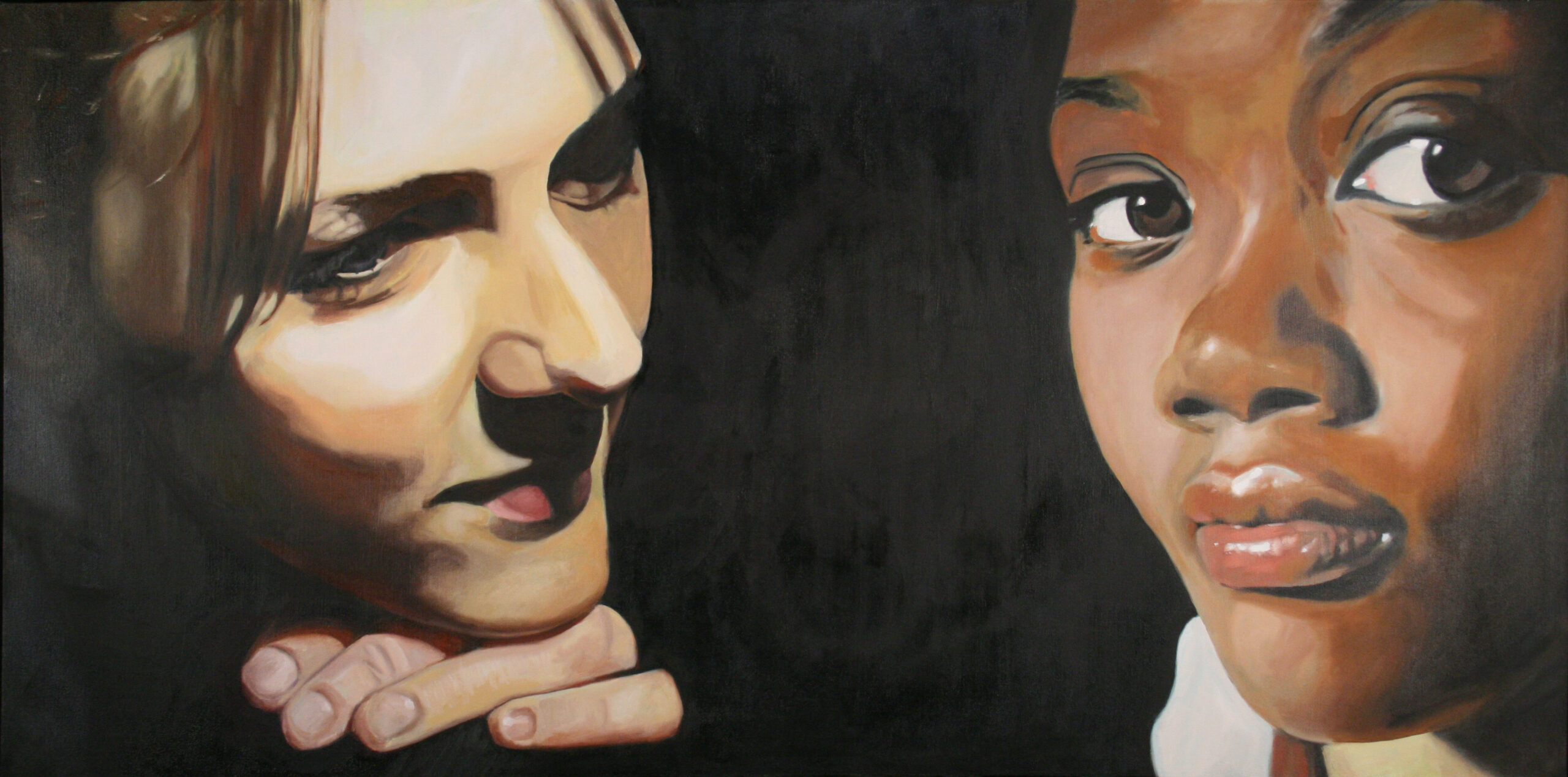
To call Clarence Heyward, William Paul Thomas and Charles Edward Williams emerging artists would be disingenuous. The three of them have seen tremendous success over the last several years; each has had museum shows, and their works are in significant public and private collections.  But they are young and at the forefront of a new generation of Black painters in North Carolina, following in the footsteps of luminaries like Ernie Barnes and Beverly McIver. In fact, McIver, who strives to, as she says, “reach out to help bring others to the table,” is guest curator for TRIPLE THREAT.

All three painters were featured in Reckoning & Resilience, the Nasher Museum’s most recent survey of the best North Carolina artists working today.  While their paintings all center on portraiture, each artist approaches their subjects from a different angle.

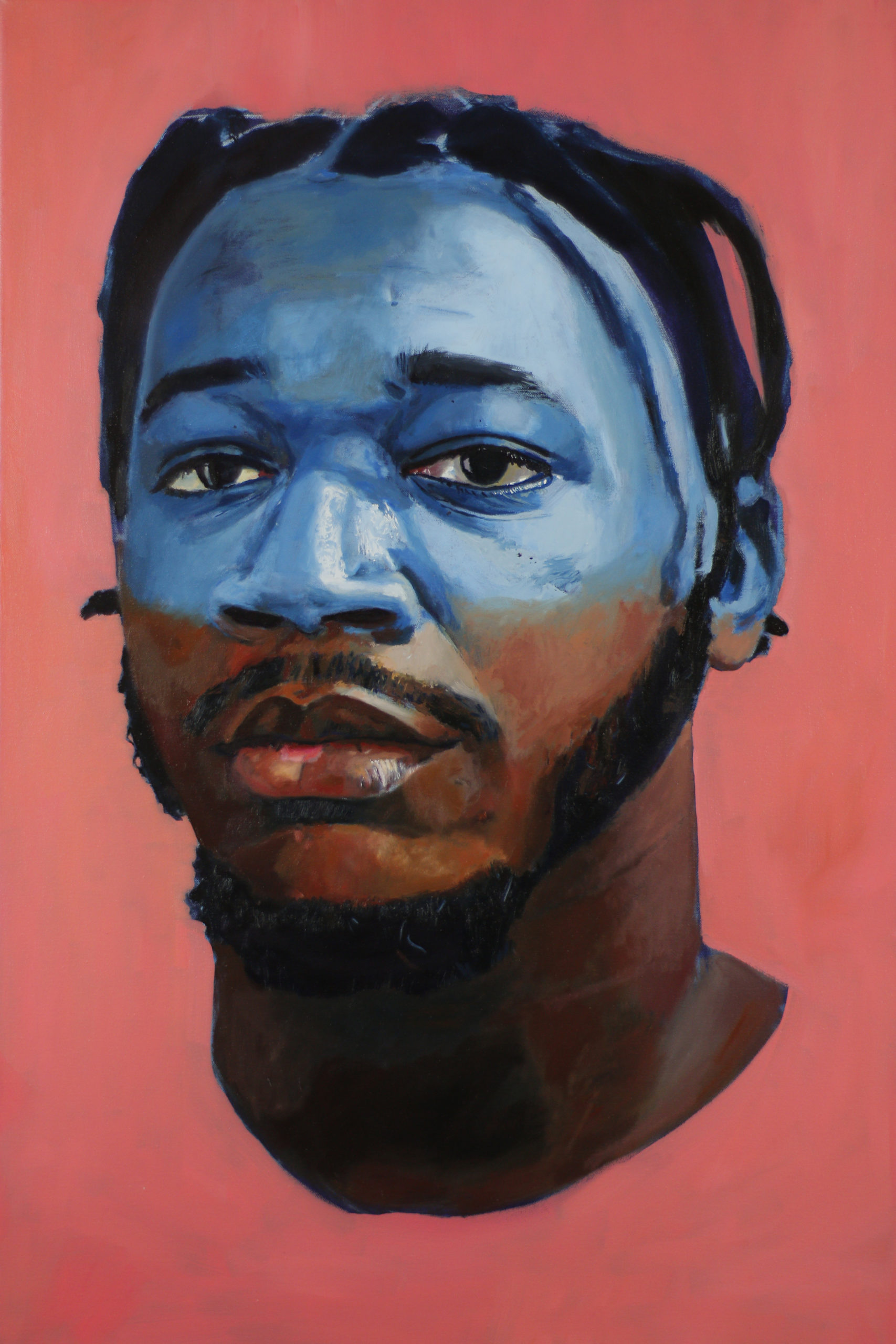
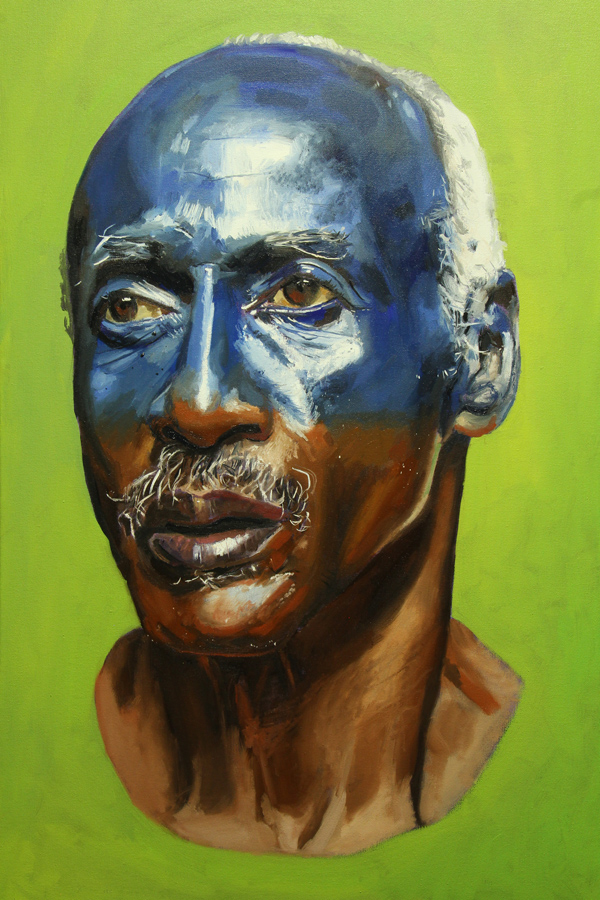
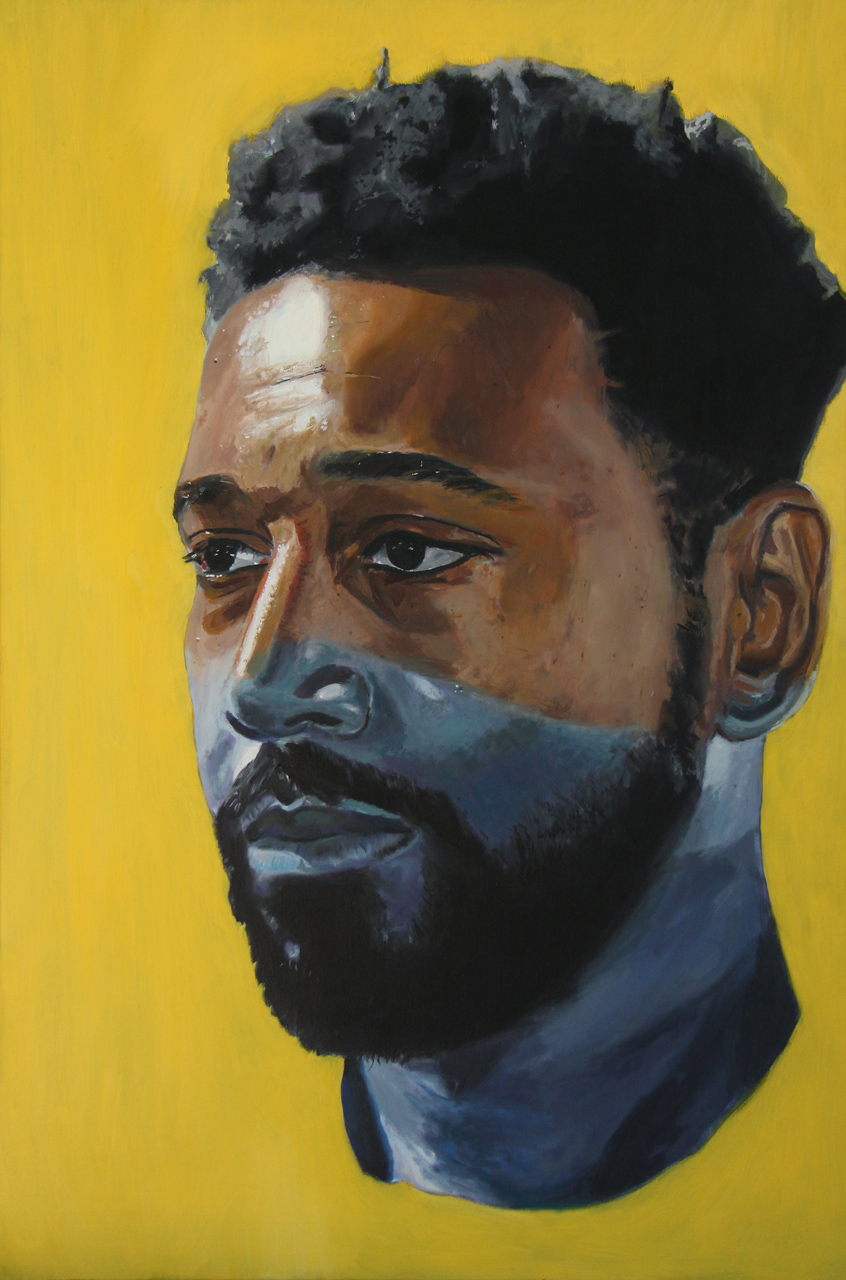
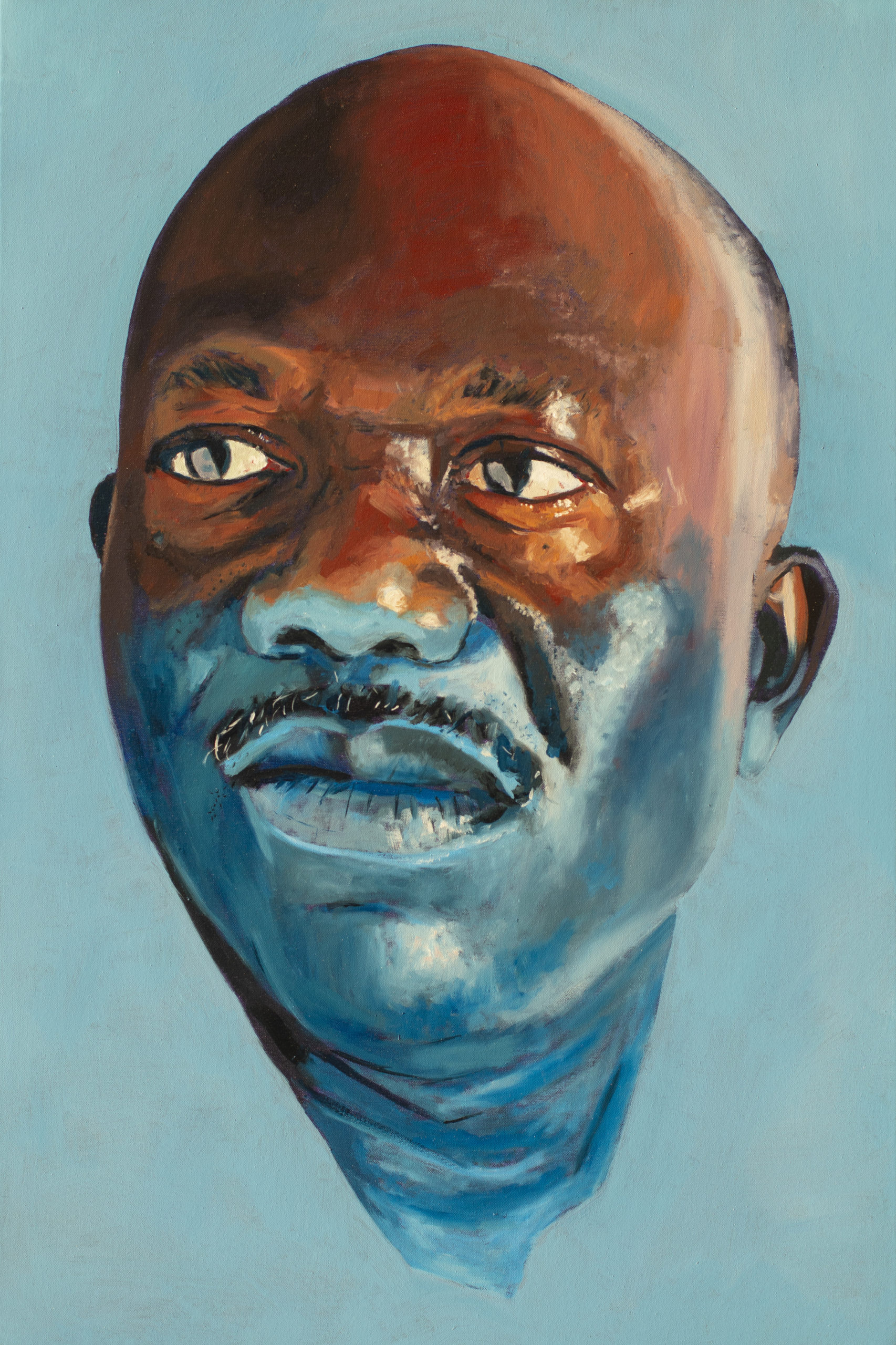
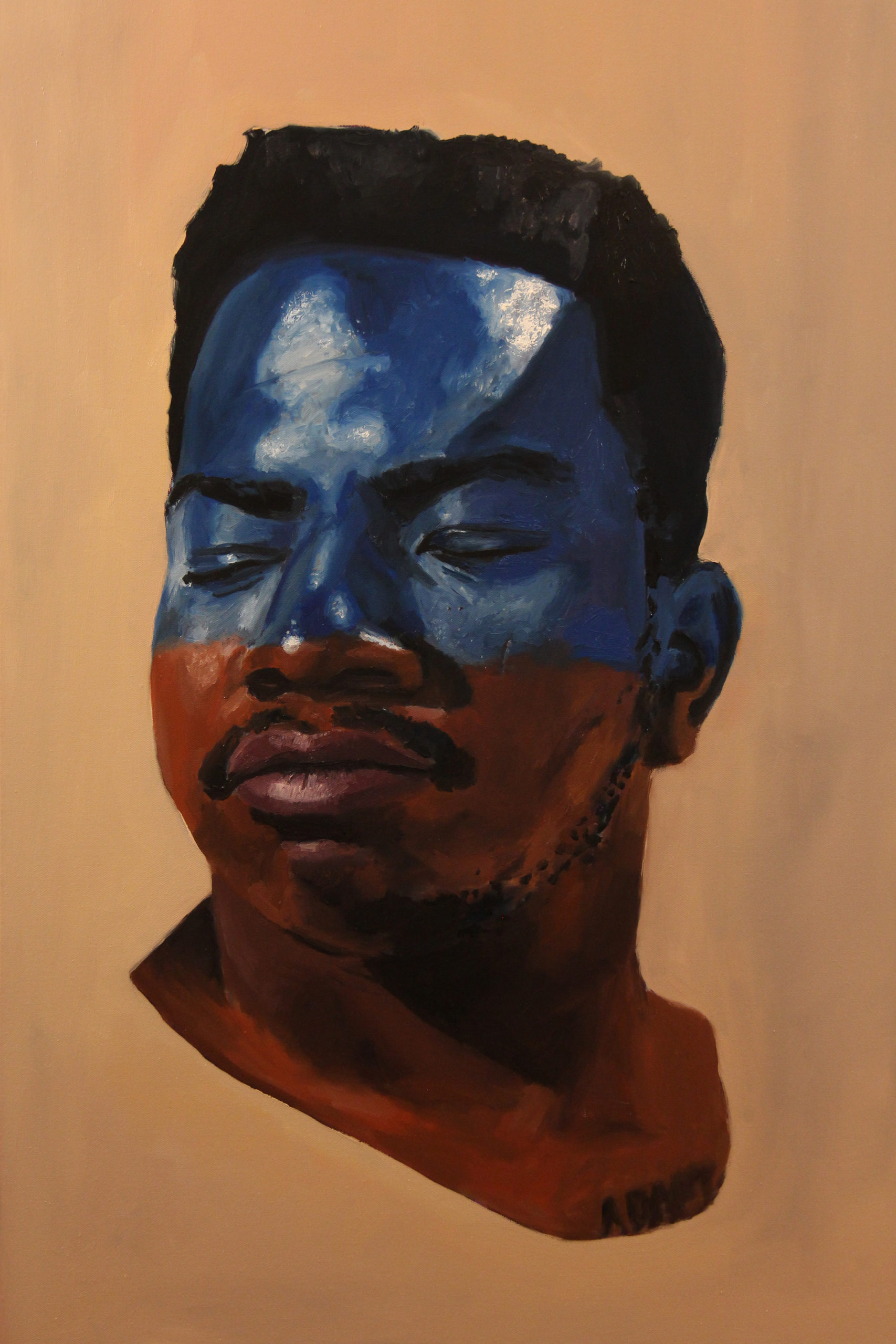
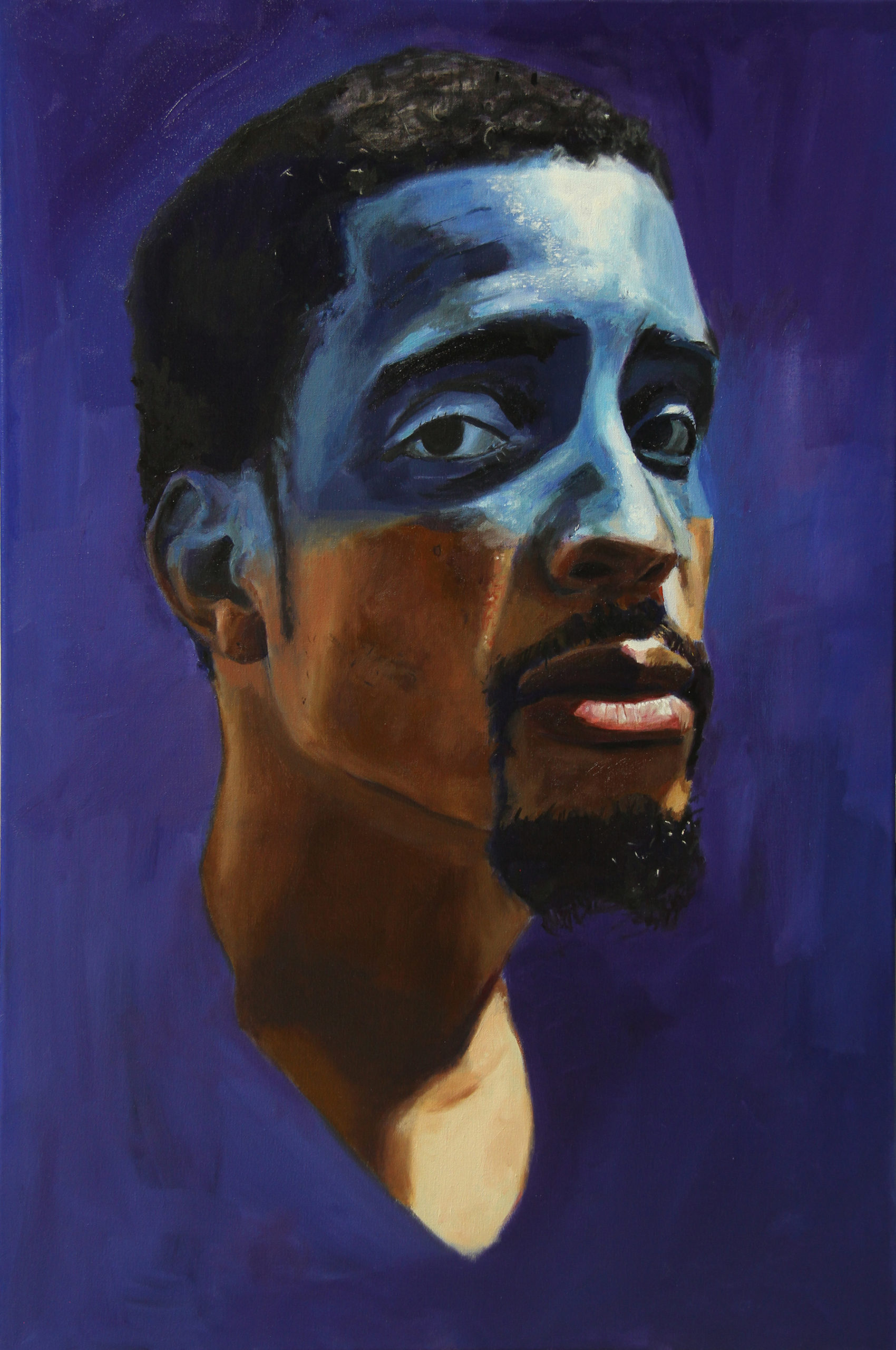
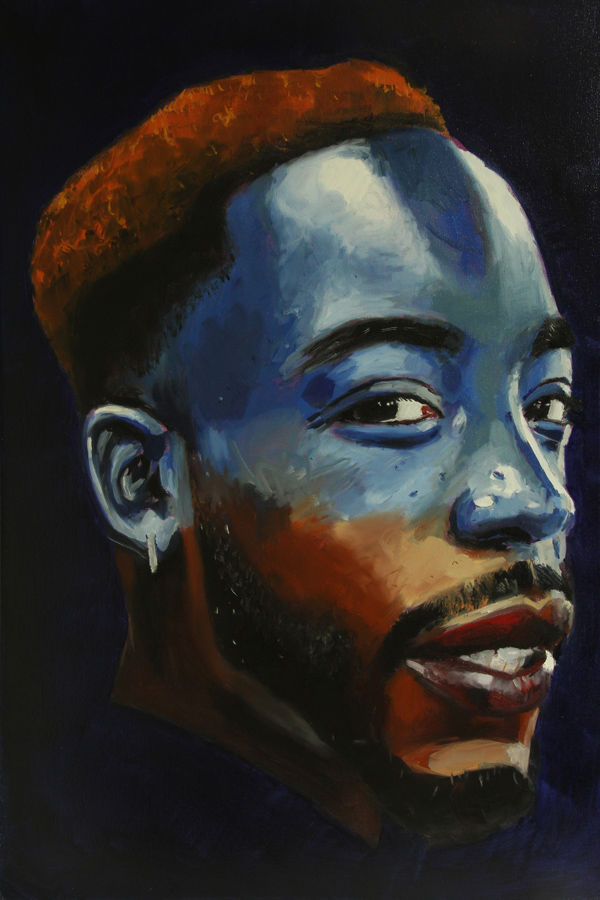
William Paul Thomas chooses to immortalize, and by extension, uplift individuals from his personal life. Whether they be friends, family, collaborators or colleagues, Thomas strives to codify his own life path by honoring those who have been present and significant along the way. Thomas uses oil or acrylic on canvas, in a loose, painterly style. His portraits are often much larger than life, giving them a sense of immediacy and power. He teaches at Guilford College.

STATEMENT

I paint representations of people in my social circle and sometimes scrawl text directly over their likenesses. That text is often tinged with dry humor, at times it is politically incorrect, and is regularly derived from the spoken vernacular of the communities I have lived in. My overarching goal is to share with diverse audiences what I see as worthwhile subject matter. That might include religious symbolism or popular slang.  I make pictures to document select parts of my life.

Many of us have immediate psychological connections to representations of the human face. We look for similarities between ourselves and those represented; note key differences between “us” and “them.” “He looks like so-and-so.” “She reminds me of whatshername.” Assumptions or questions about the subject’s state of mind usually follow. If the expression that the subject wears is ambiguous enough, we might begin to project our own emotions onto them to interpret the painting’s message.

I choose specific models as a way of recognizing their significance in my life’s path. I relish being able to honor everyday people through making images. We regularly celebrate women and men of prominence in mass media, so I take advantage of the opportunity to highlight the people that impact me on a more direct level than any untouchable celebrity or distant historical figure could. I integrate text and other symbols into the portrait work to narrow the subject matter to a certain degree and complicate the viewer’s understanding of the portrait subject’s identity. The work begins as an intimate acknowledgement of an individual and is subsequently transformed into a set of symbols poised for the viewer’s investigation.

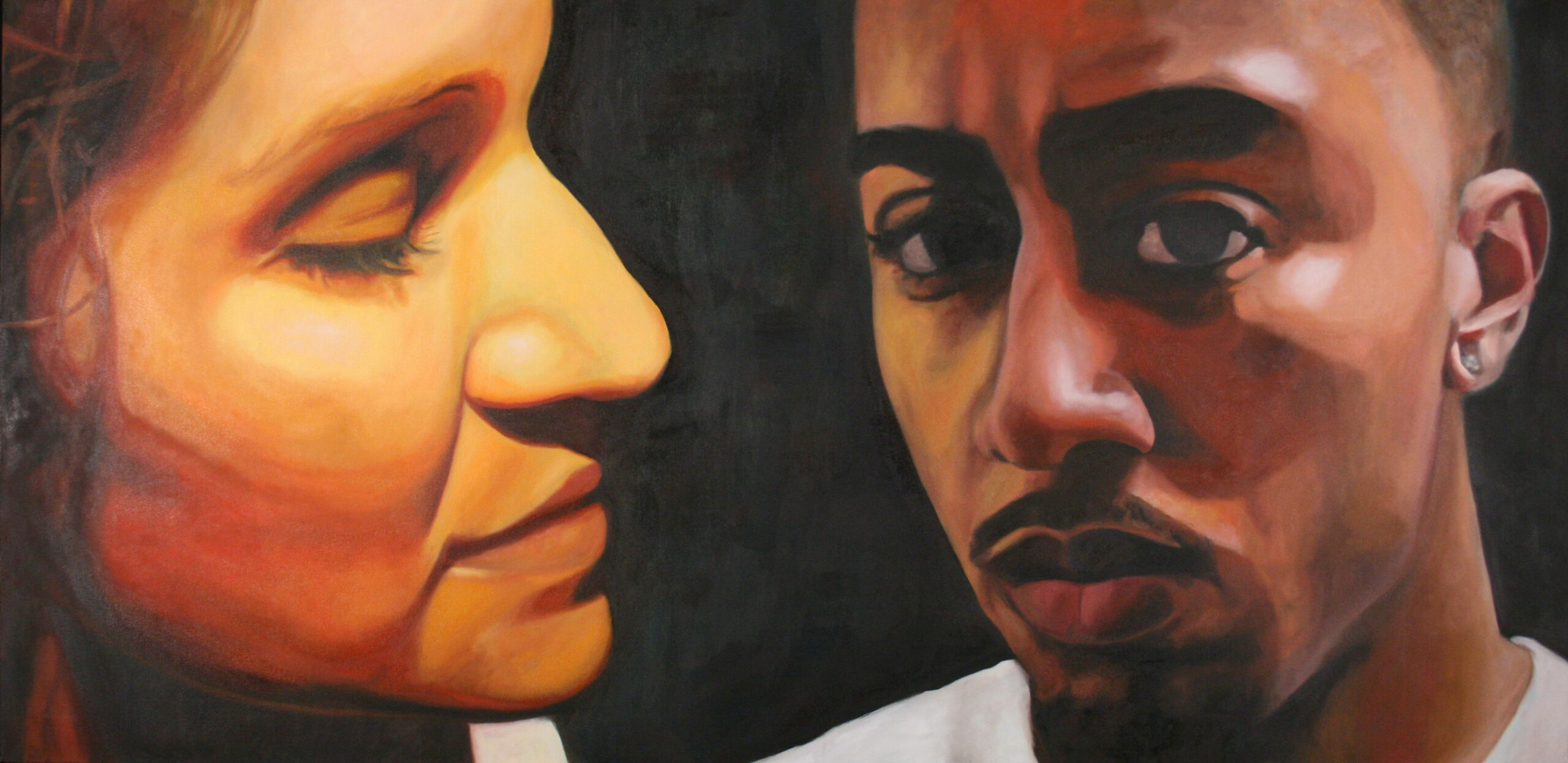
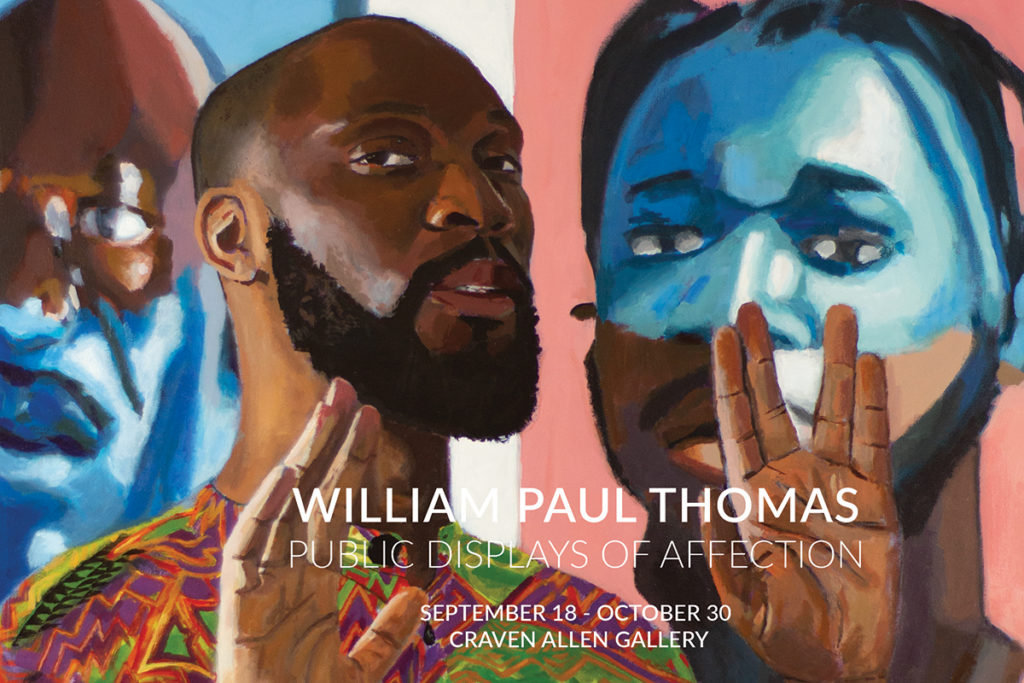
Painting of three people, one with a beard and short hair, next with closed eyes and hand near face, in vibrant colors, promoting William Paul Thomas' art exhibit "Public Displays of Affection" at Craven Allen Gallery from September 18 to October 30.
Gallery of colorful portrait paintings of diverse individuals, displayed on a brick wall in an art gallery with low lighting.

Public Displays of Affection
September 18 - October 30, 2021

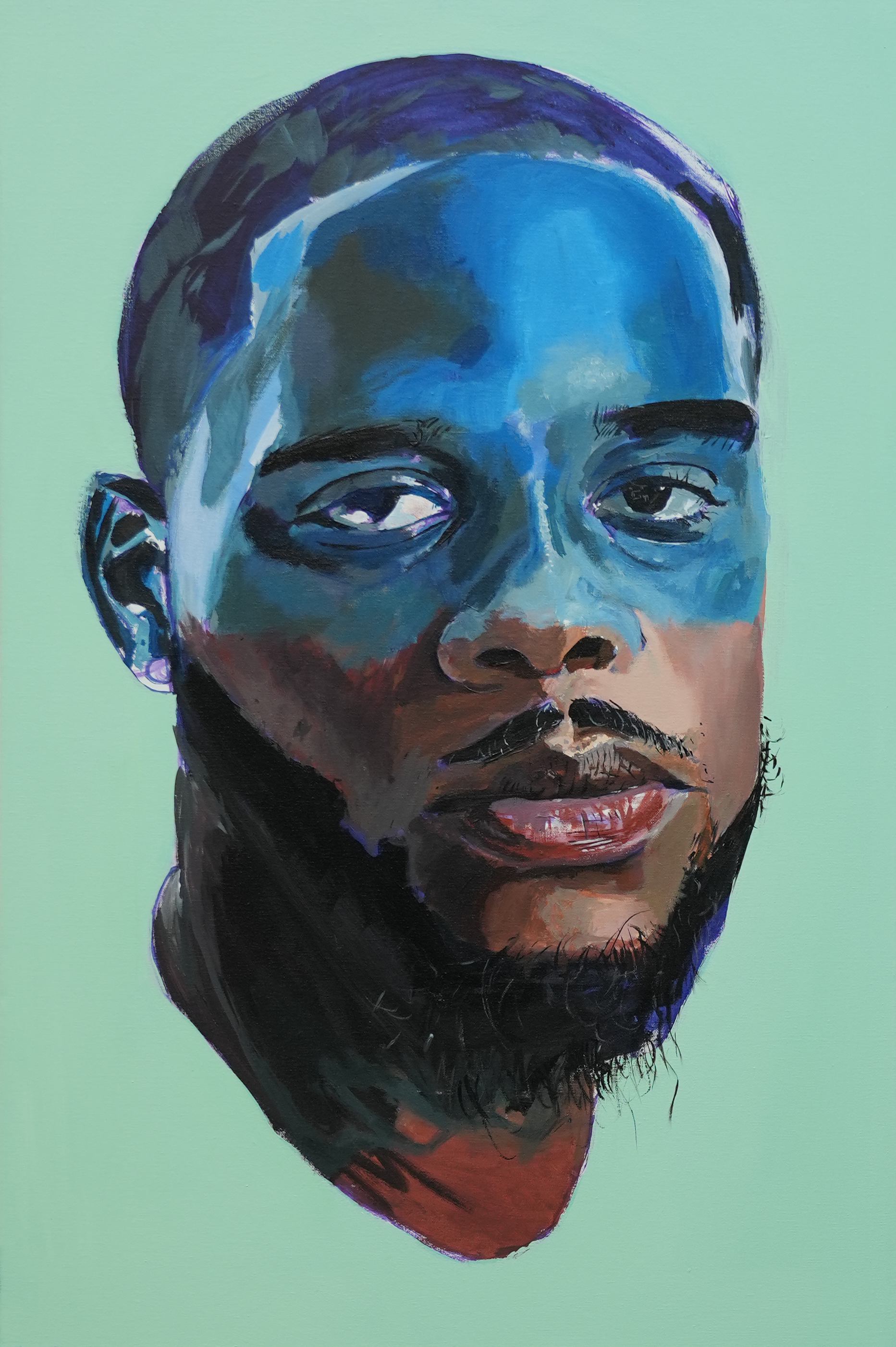
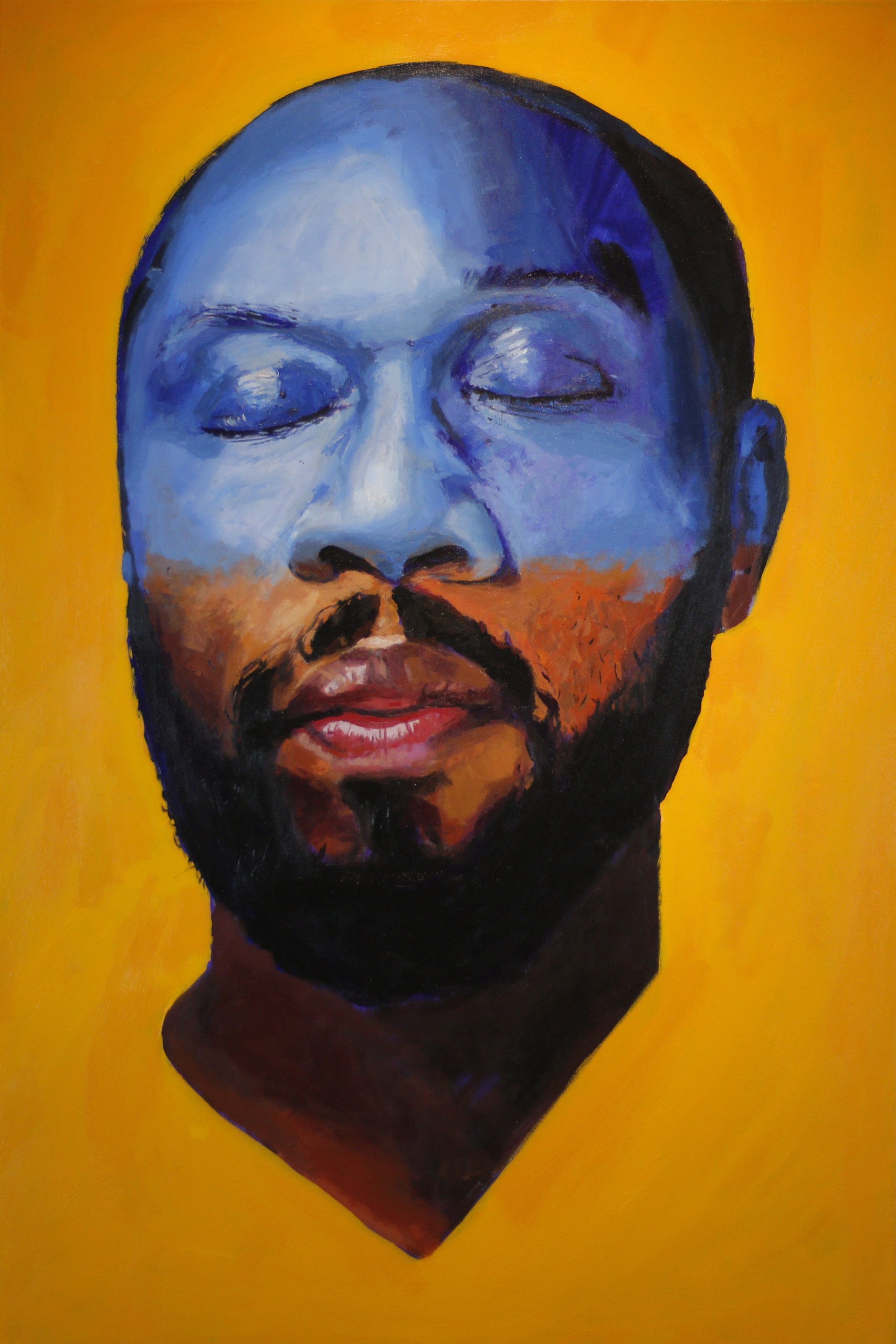
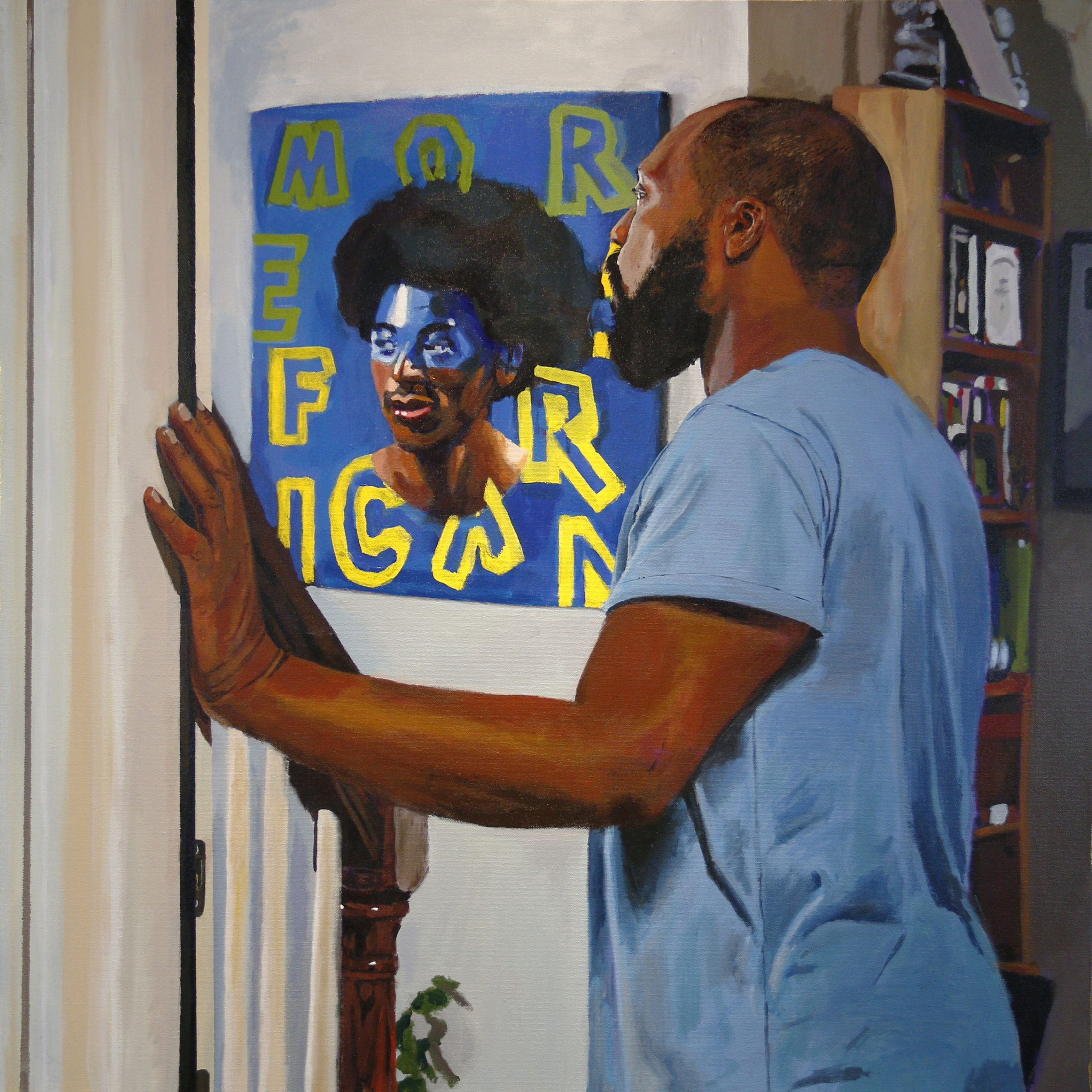
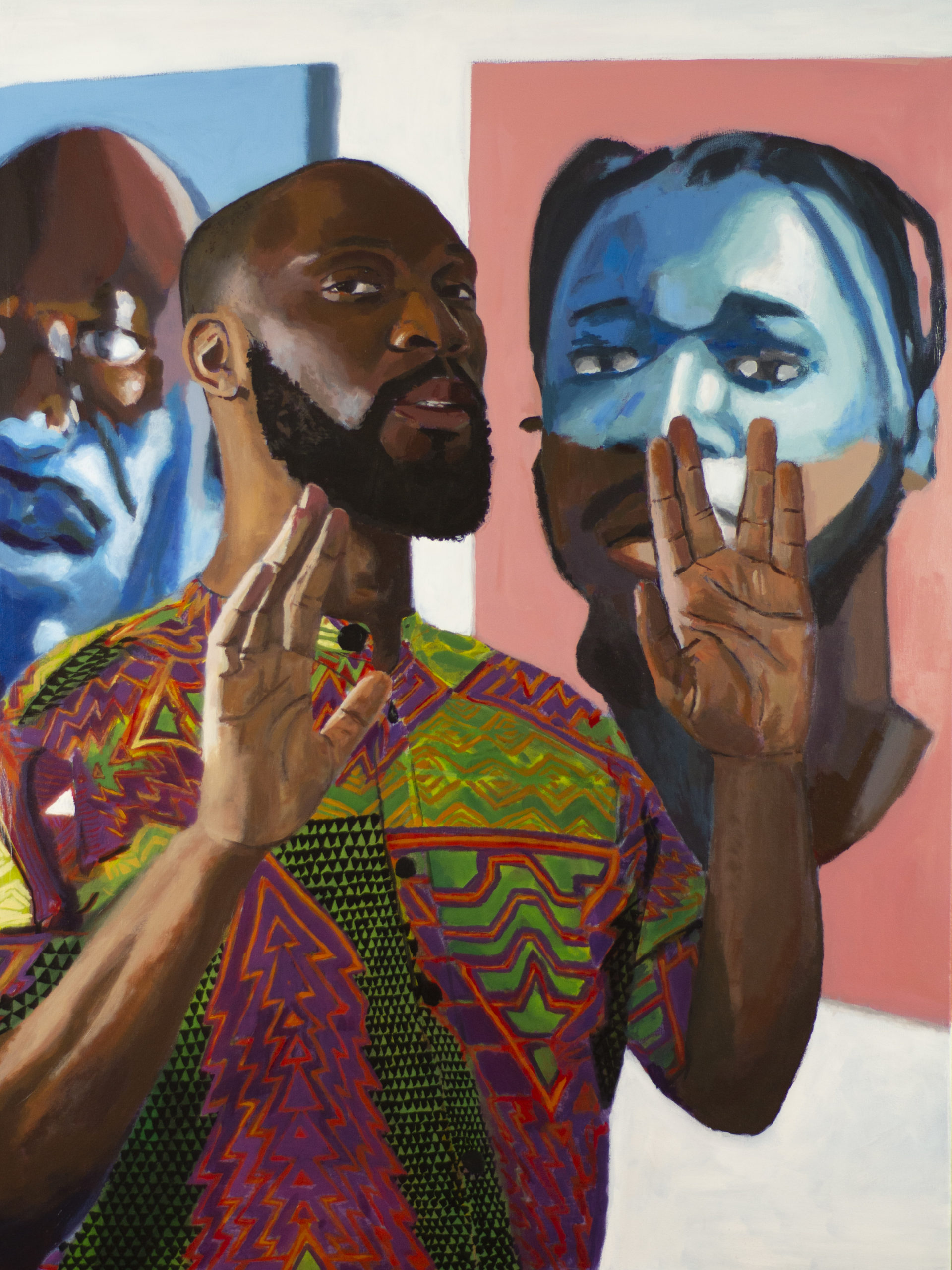
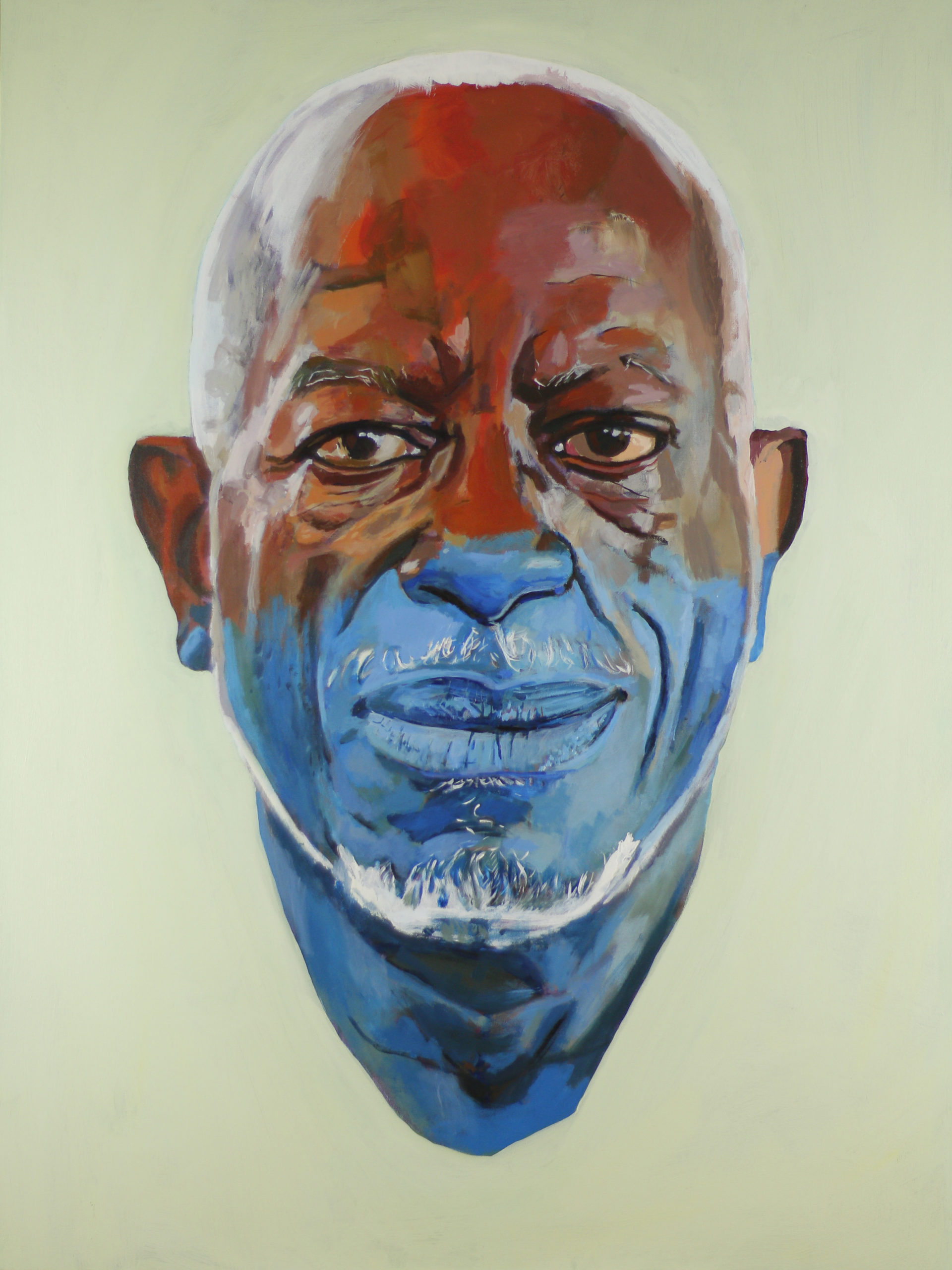
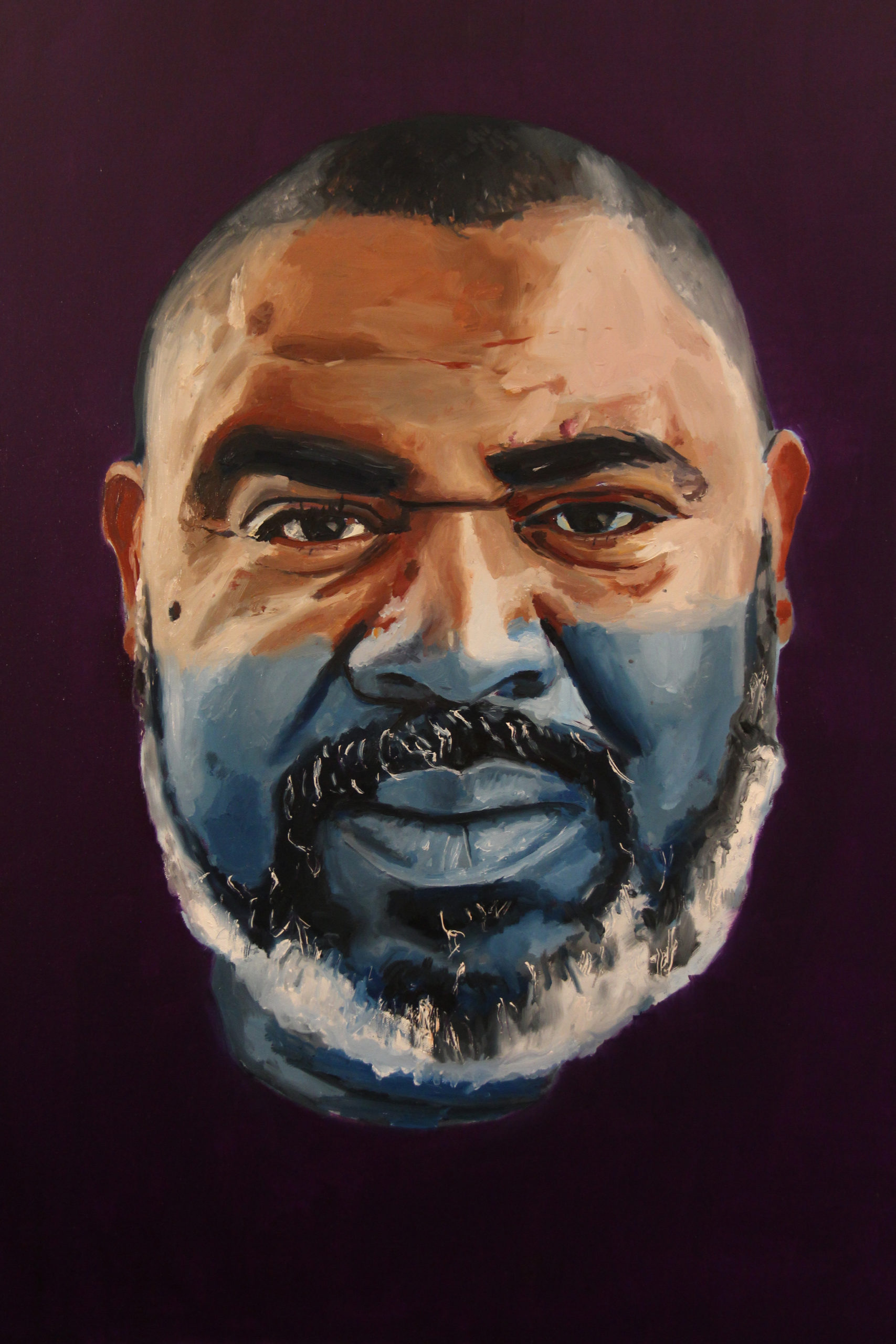
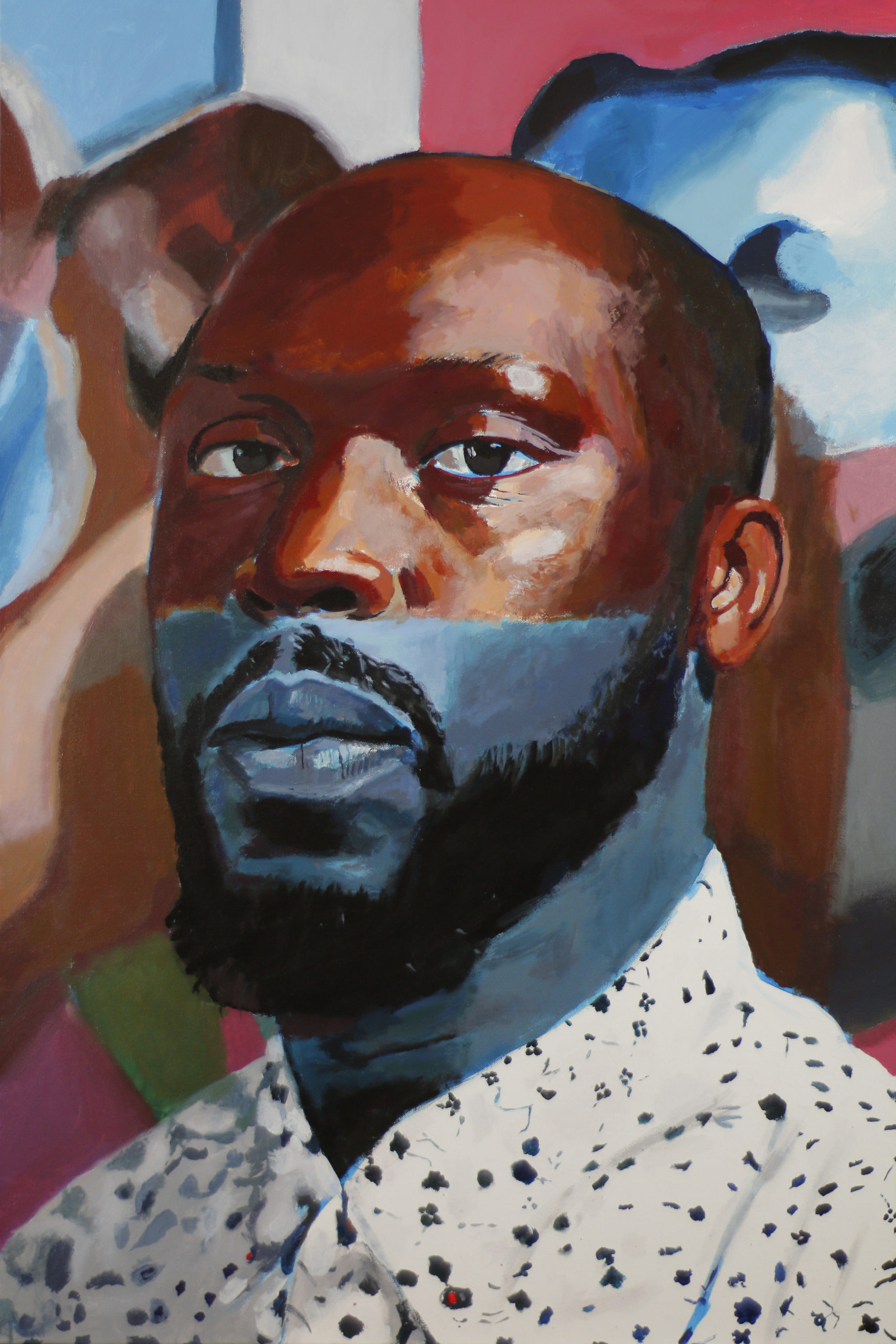
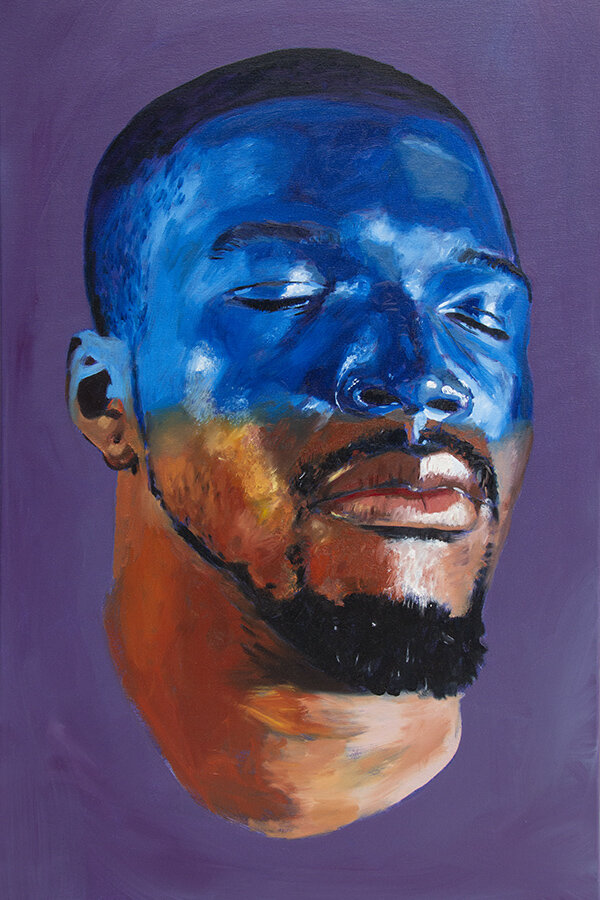
William Paul Thomas’s paintings are larger than life, both in physical presence and visual impact. Each image flirts with photorealism while maintaining evidence of a strong painterly hand, which is amplified by his rich color palette. Some of his subjects can be seen with their faces partially covered in blue, which he refers to as “Cyanosis”. This effect is a visceral depiction of the conflict and trauma that we all hold just beneath the surface. Cyanosis challenges viewers to be more aware of not only their own hardships, but also those of the people they interact with every day.

The title of the show, Public Displays of Affection, refers to his intimate connection with the people he paints. “I choose specific models as a way of recognizing their significance in my life’s path. I relish being able to honor everyday people through making images. We regularly celebrate women and men of prominence in mass media, so I take advantage of the opportunity to highlight the people that impact me on a more direct level than any untouchable celebrity or distant historical figure could.

A rising art star, William Paul Thomas was the youngest artist, and the only figurative painter, in the recent show Front Burner: Highlights in Contemporary North Carolina Painting at the North Carolina Museum of Art.  He was the Brock Family Visiting Instructor in painting at Duke University for a year while his colleague Beverly McIver was a fellow at the American Academy in Rome.  He currently teaches at Guilford College, and lives in Durham.

STATEMENT

Most of my creative work is tangled up with the attempt to grant access to anyone on the outside. This gets complicated. Who said they even wanted to come in? I might paint a portrait of a young man who (understandably) has never set foot in the art gallery that sits within a mile of his childhood home. We invite his family to see the portrait. Maybe they’ll continue to visit the gallery after my show is de-installed. Maybe they won’t.

When I talk about my work to viewers, I’ll recount things from other intimate conversations to illustrate how personal exchanges inspire my decision making. I love sharing carefully designed paintings, prints, and digital experiments for public consumption. Whether the images are depictions of anonymous floating heads, headless bodies frozen in time, or cryptic phrases that invite extended inquiry, my efforts are heavily bent towards highlighting the questionable barriers that exist between us and everything else.